
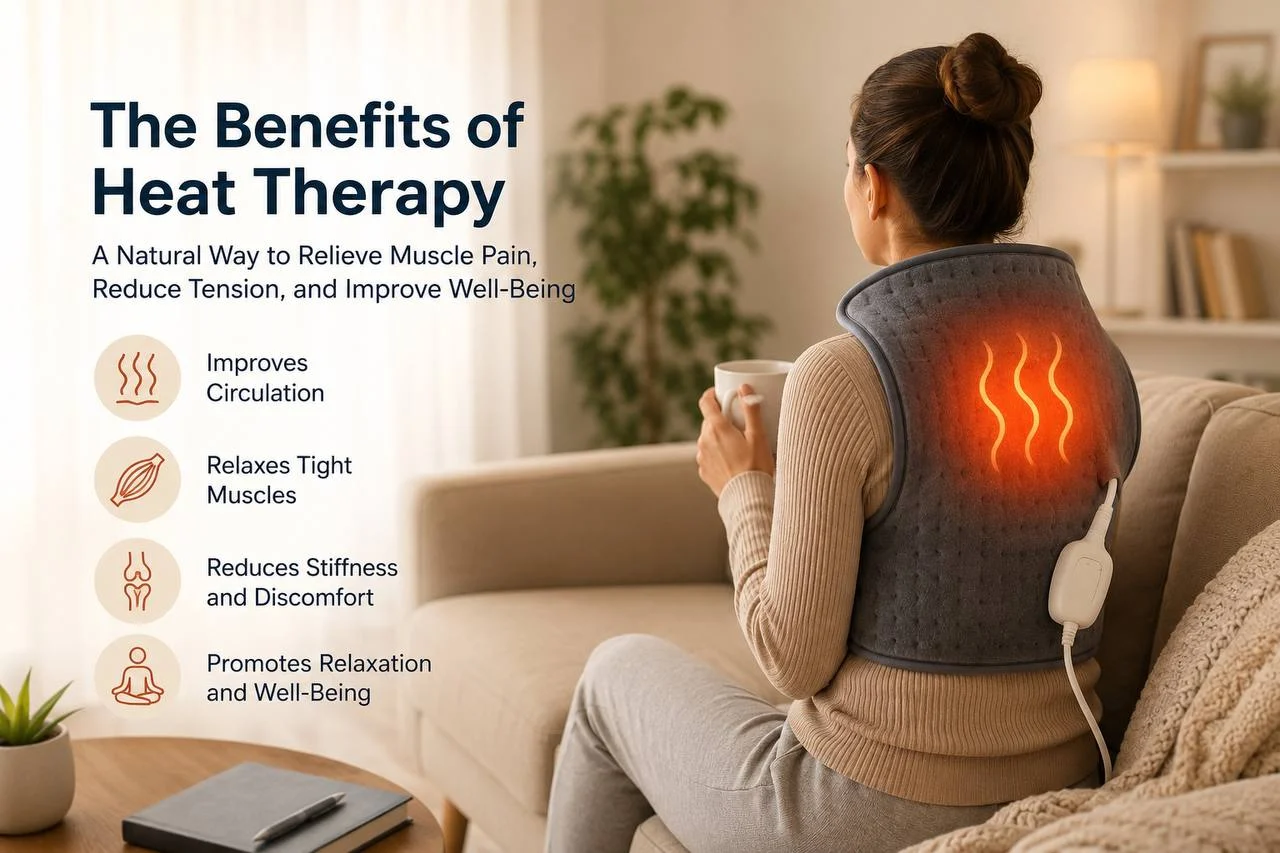
Heat Therapy for Muscle Pain: 7 Amazing Benefits for Fast Relief
- TootivaCare
Heat therapy for muscle pain is one of the most effective and widely used methods for relieving muscle tension and discomfort.
Why Heat Therapy Helps Muscle Pain
Muscle pain is one of the most common physical complaints affecting people of all ages. Whether caused by exercise, poor posture, stress, injury, or long hours of sitting, sore and tight muscles can interfere with daily activities and reduce overall quality of life. One of the oldest and most effective methods for relieving muscle discomfort is heat therapy. Used for centuries across different cultures, heat therapy remains a trusted and scientifically supported way to ease muscle pain and promote relaxation.
What Is Heat Therapy?
Heat therapy, also known as thermotherapy, involves applying warmth to a specific area of the body to relieve pain, improve circulation, and relax muscles. Heat can be delivered through various methods, including heating pads, warm towels, hot water bottles, heated massagers, warm baths, and infrared heat devices.
Unlike cold therapy, which is typically used immediately after an injury to reduce swelling, heat therapy is most beneficial for chronic muscle pain, stiffness, tension, and soreness.
How Heat Therapy Works
When heat is applied to the skin, it causes blood vessels in the affected area to expand. This process, called vasodilation, increases blood flow and oxygen delivery to the muscles and surrounding tissues. Improved circulation helps transport nutrients that support healing while removing waste products that may contribute to discomfort and inflammation.
The warmth also affects nerve endings, reducing the perception of pain and creating a soothing sensation that helps the body relax.
Benefits of Heat Therapy for Muscle Pain
1. Relaxes Tight Muscles
One of the primary reasons heat therapy helps muscle pain is its ability to relax muscle fibers. Tight muscles often result from overuse, stress, or prolonged periods of inactivity. Heat increases tissue elasticity and flexibility, allowing muscles to loosen and move more freely.
When muscles relax, tension decreases and discomfort is reduced. This is particularly helpful for individuals who experience stiffness in the neck, shoulders, lower back, or legs.
2. Improves Blood Circulation
Good circulation is essential for muscle recovery. Increased blood flow delivers oxygen and nutrients needed for tissue repair while helping remove metabolic waste products that accumulate during physical activity.
Improved circulation may help speed recovery after exercise and reduce lingering soreness. Many athletes use heat therapy before workouts to prepare muscles for movement and after activity to encourage relaxation.
3. Reduces Muscle Stiffness
Muscle stiffness can make simple movements uncomfortable and limit flexibility. Heat therapy helps soften connective tissues, making joints and muscles more mobile.
For people who wake up with morning stiffness or experience discomfort after sitting for long periods, applying heat can improve range of motion and make movement easier.
4. Provides Natural Pain Relief
Heat stimulates sensory receptors in the skin that can help block pain signals from reaching the brain. This effect may reduce the sensation of pain without the need for medication.
Many individuals prefer heat therapy as a natural, non-invasive option for managing everyday aches and muscle tension. When used properly, it can provide effective relief with minimal side effects.
5. Supports Recovery After Physical Activity
Exercise places stress on muscles, which can lead to temporary soreness and fatigue. Heat therapy promotes relaxation and circulation, helping muscles recover more comfortably after physical exertion.
Whether you enjoy running, weightlifting, cycling, or recreational sports, heat therapy can be a valuable part of your post-workout recovery routine.
6. Helps Relieve Stress-Related Tension
Emotional stress often manifests physically in the body. Many people carry tension in their neck, shoulders, and upper back without realizing it. Over time, this tension can lead to discomfort and headaches.
The soothing warmth from heat therapy encourages relaxation and may help reduce stress-related muscle tightness. This combination of physical and mental relaxation contributes to an overall sense of well-being.
4D Neck & Shoulder Massager with Heat – Deep Tissue Relaxation – TootivaCare
Common Conditions That May Benefit from Heat Therapy
Heat therapy is commonly used to help manage a variety of muscle-related conditions, including:
Muscle soreness after exercise
Neck and shoulder tension
Lower back discomfort
Muscle spasms
Stiff joints
Chronic muscle pain
Postural strain from sitting at a desk
Mild arthritis-related stiffness
Stress-induced muscle tension
While heat therapy can be highly effective for these conditions, it is important to consult a healthcare professional if pain is severe, persistent, or related to a serious injury.
Different Types of Heat Therapy
Moist Heat
Moist heat involves the use of warm towels, steam packs, or warm baths. Moist heat may penetrate tissues more effectively than dry heat and is often preferred for deeper muscle discomfort.
Dry Heat
Dry heat includes heating pads, electric heat wraps, and heated massagers. These options are convenient and easy to use at home or on the go.
Infrared Heat
Infrared devices use specific wavelengths of light to generate warmth beneath the skin’s surface. Some studies suggest infrared heat may provide deeper tissue penetration and enhanced comfort.
Heated Massage Devices
Modern heated massagers combine heat with massage functions such as kneading, vibration, or percussion. This combination can help further relax muscles while improving circulation and reducing tension.
Tips for Using Heat Therapy Safely
Although heat therapy is generally safe, it should be used correctly to avoid burns or skin irritation.
Follow these safety guidelines:
Use moderate temperatures rather than excessive heat.
Limit sessions to 15–30 minutes unless otherwise directed.
Place a cloth barrier between heating devices and bare skin if needed.
Stay hydrated during and after treatment.
Avoid sleeping with an active heating pad.
Check your skin regularly for redness or irritation.
Do not apply heat to areas with swelling, open wounds, or recent injuries.
People with certain medical conditions, including diabetes or circulation disorders, should consult a healthcare professional before using heat therapy.
Heat Therapy and Modern Wellness
As people increasingly seek non-drug solutions for everyday discomfort, heat therapy continues to grow in popularity. Advances in wearable technology and portable heated devices have made it easier than ever to enjoy targeted relief at home, at work, or while traveling.
Many modern wellness products combine heat with massage, ergonomic design, and rechargeable batteries, providing convenient options for managing muscle tension throughout the day.
Conclusion
Heat therapy remains one of the most effective and accessible ways to relieve muscle pain naturally. By improving circulation, relaxing tight muscles, reducing stiffness, and promoting overall comfort, heat can help people recover more quickly and move more freely.
Whether you are dealing with post-workout soreness, stress-related tension, or everyday muscle aches, heat therapy offers a simple and proven solution. When used safely and consistently, it can become an important part of a healthy recovery and wellness routine, helping you feel more comfortable, active, and relaxed every day.